From bean to bar
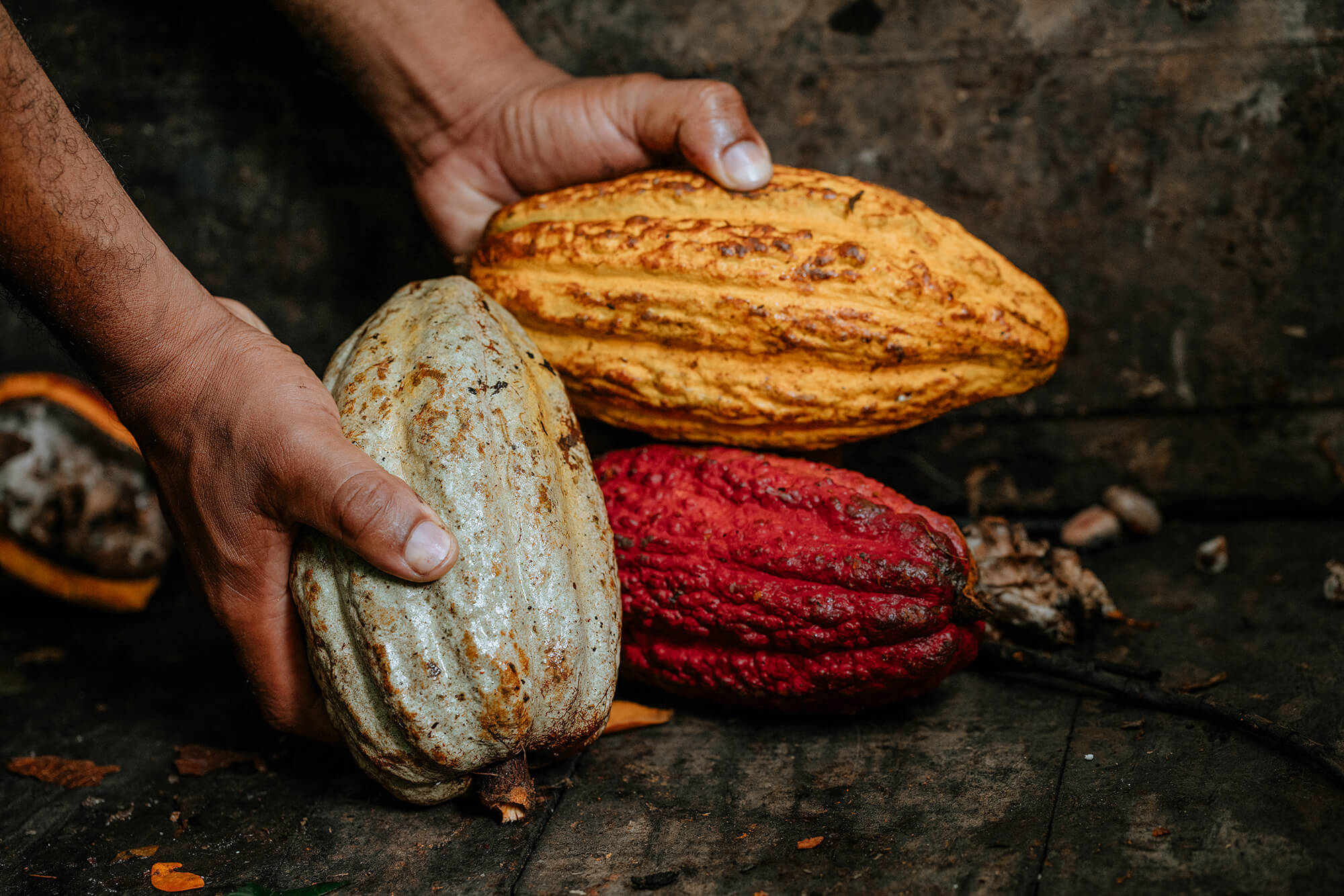
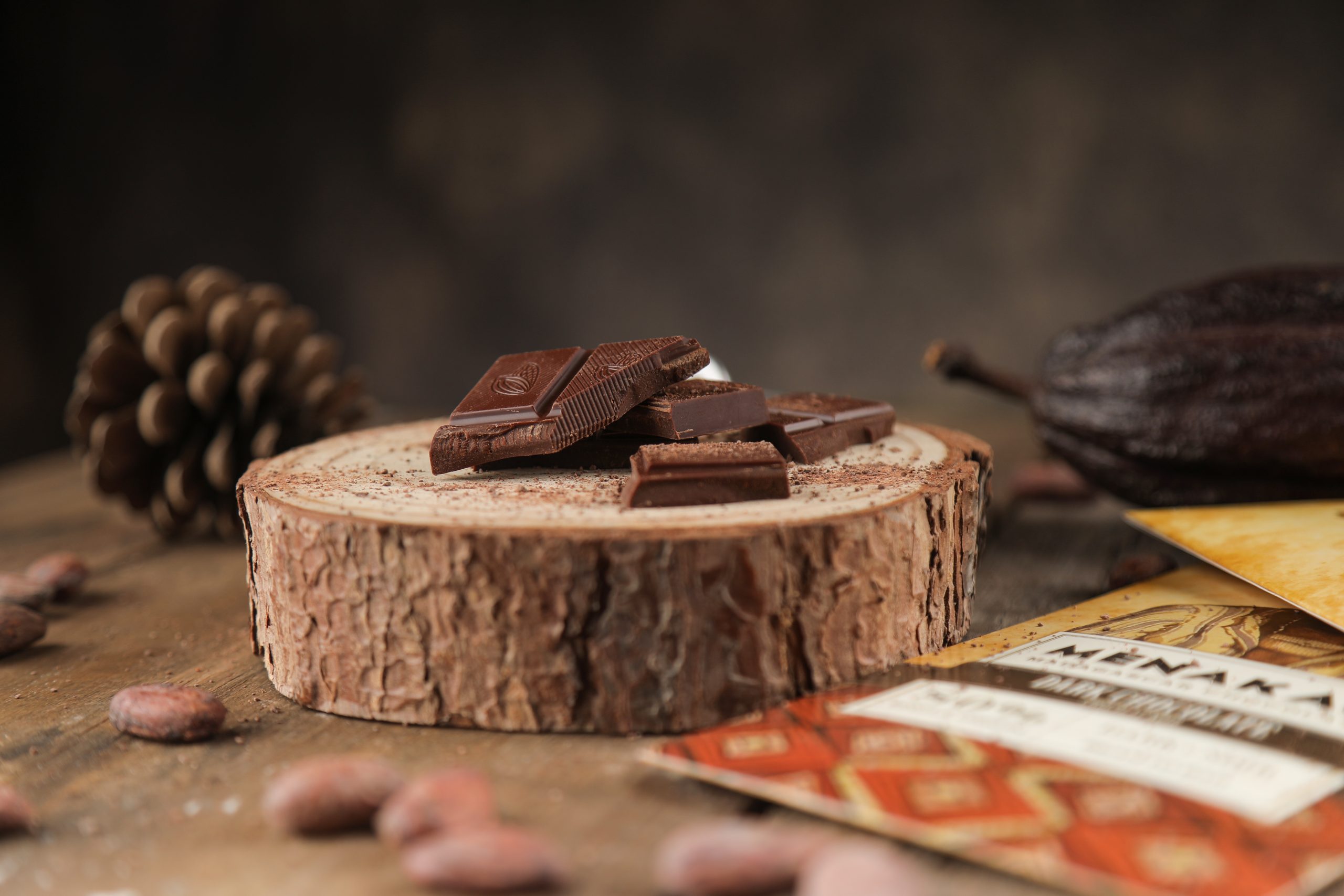
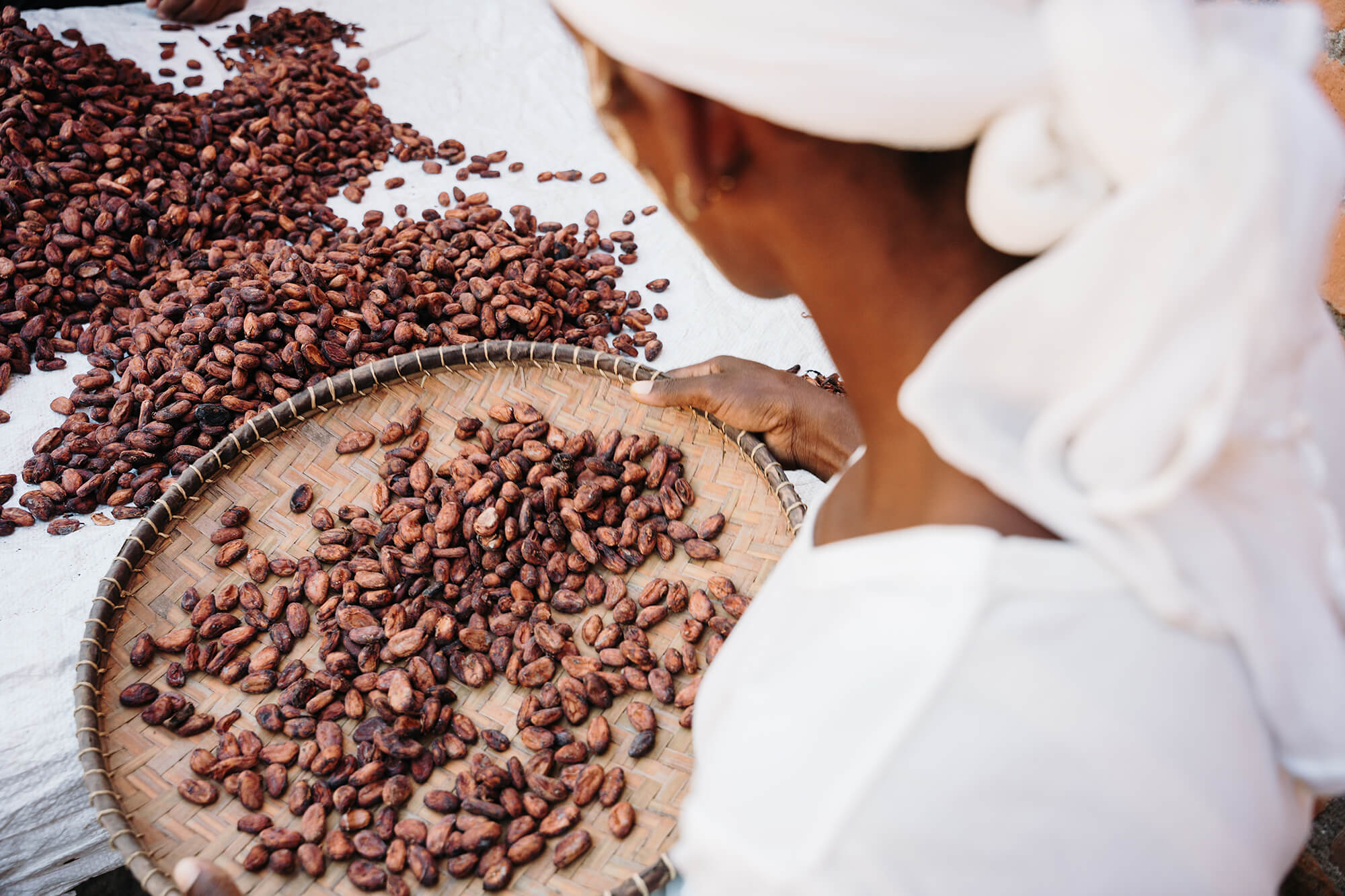
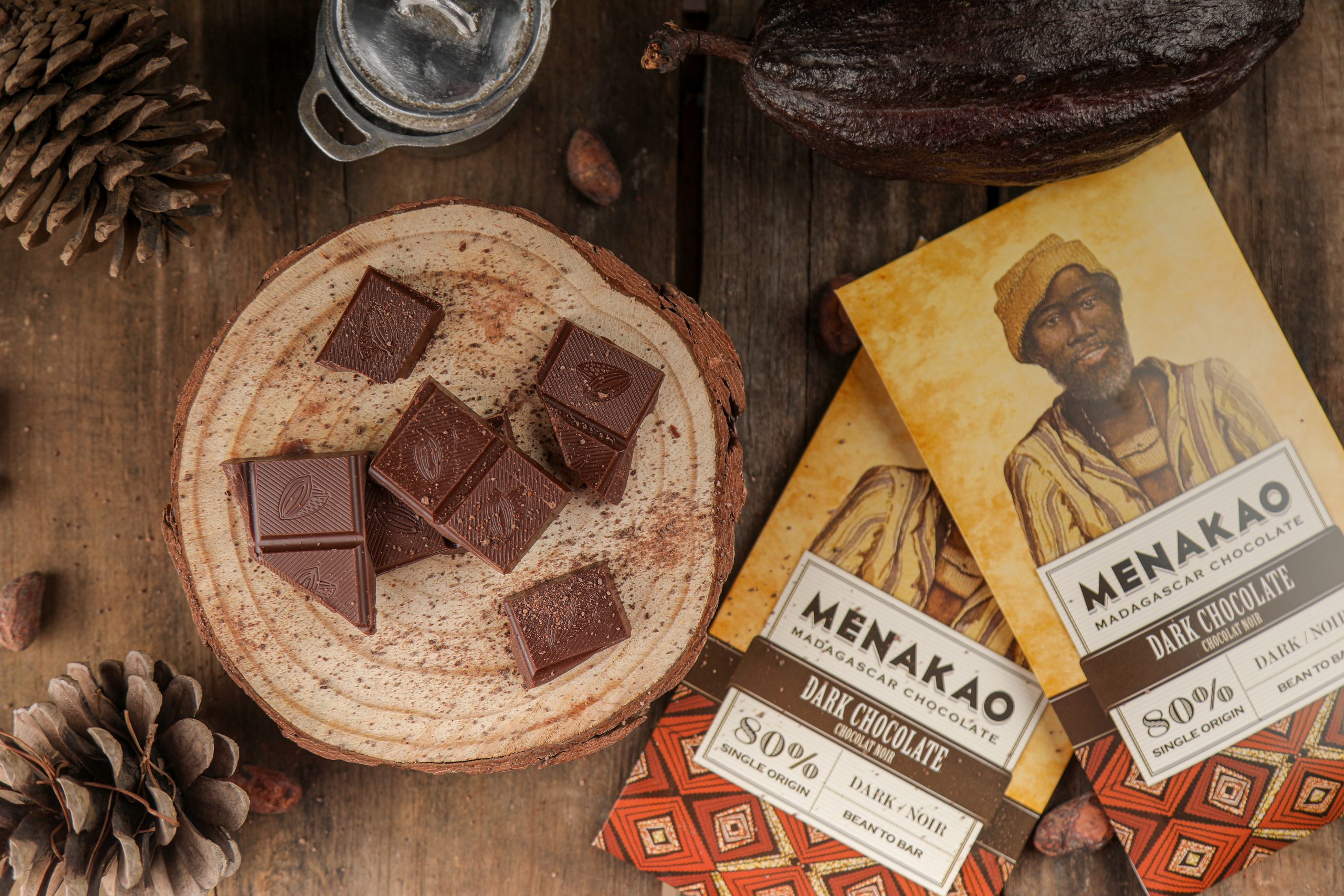
Fortement impliquée dans une démarche de production locale, la chocolaterie MENAKAO, implantée à Ambohidratrimo dans la banlieue d’Antananarivo, transforme des fèves Grand Cru de pure origine Madagascar en tablettes de chocolat 100% malagasy.
Depuis
2021
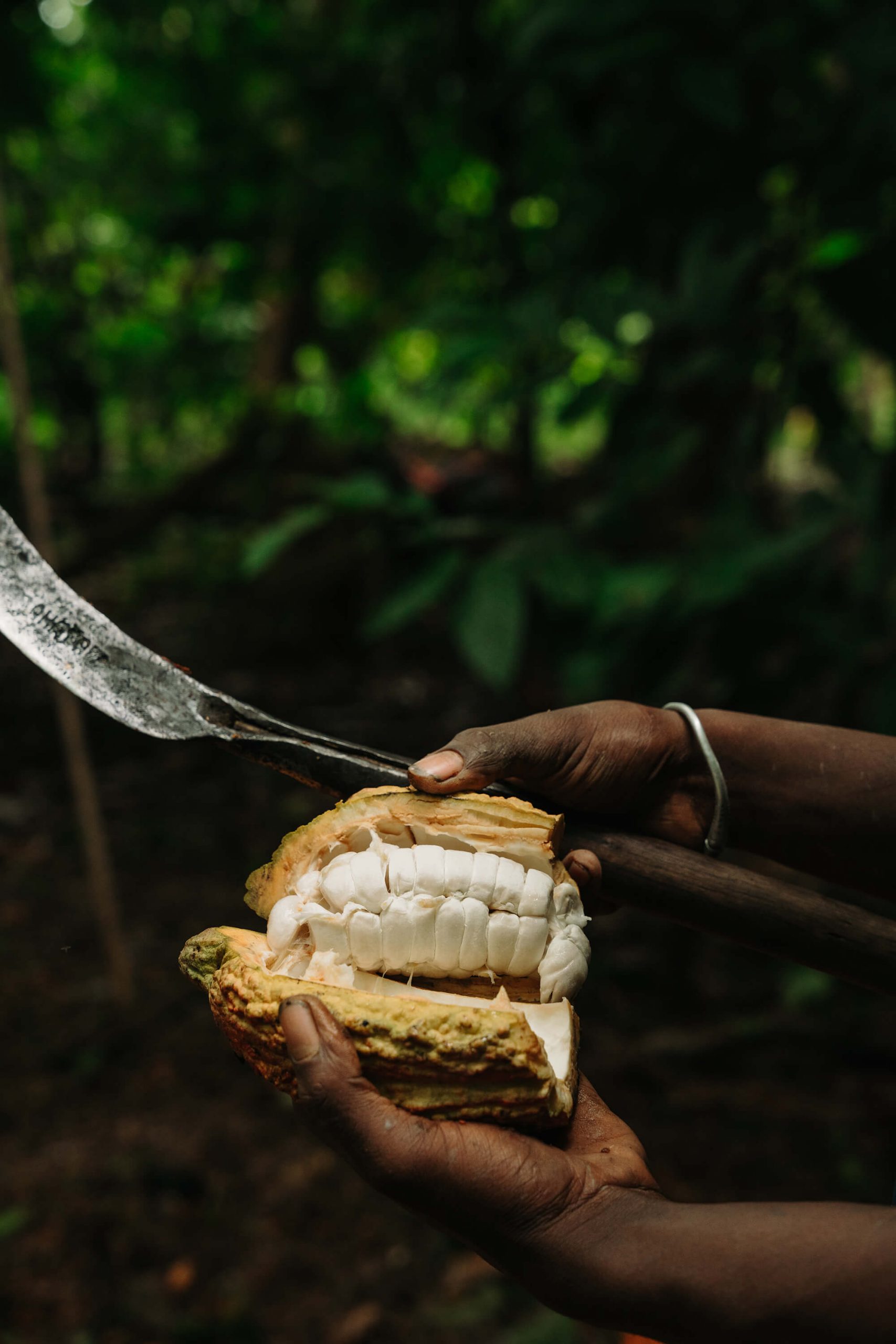
Un Cacao fin malagasy
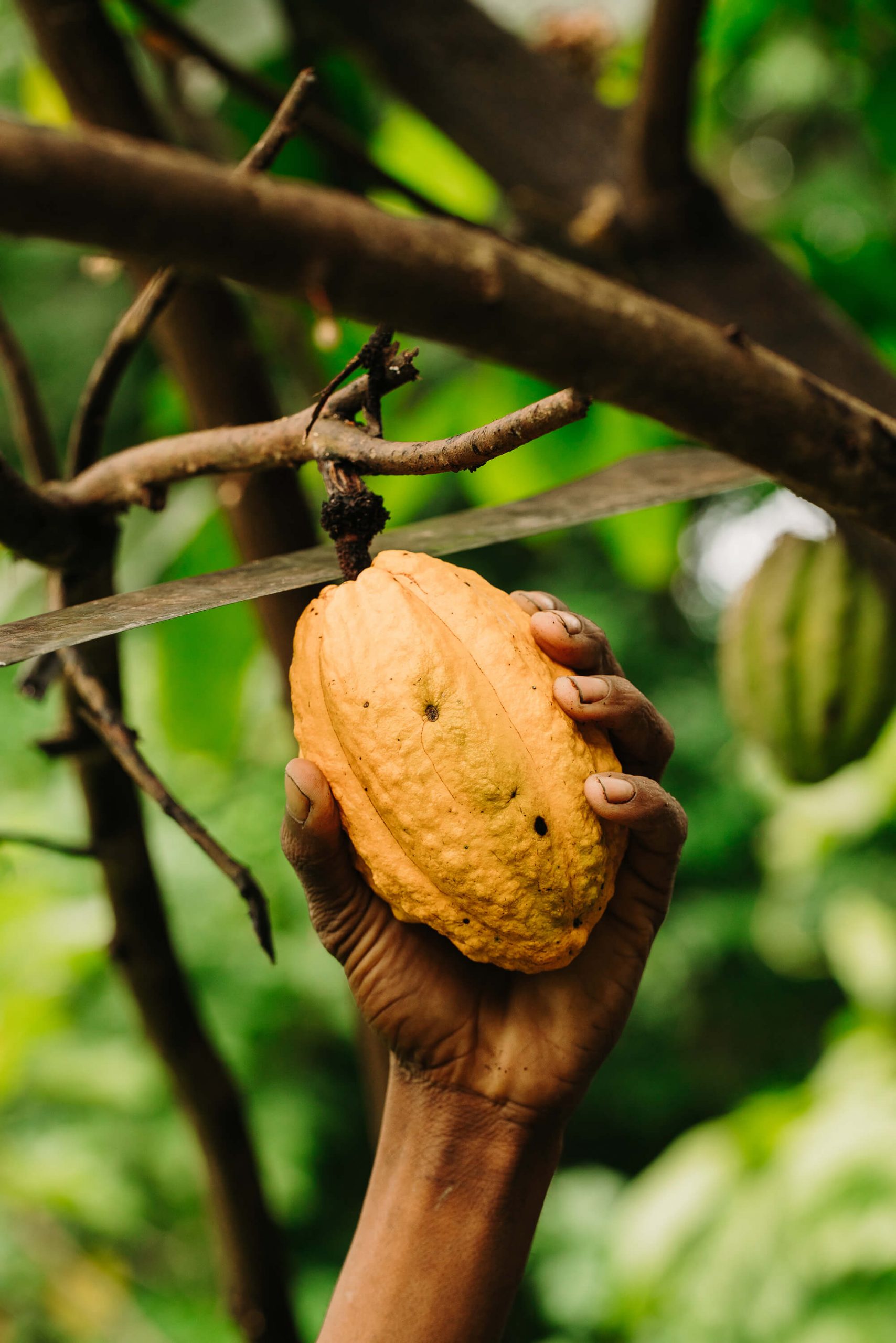
Les connaisseurs apprécient le chocolat de Madagascar, de par ses notes florales, sa pointe d’acidité et sa légère astringence en fin de bouche. Un cacao exceptionnel, classé parmi les meilleurs du monde et labellisé «Cacao Fin» par l’Organisation Internationale du Cacao (ICCO) depuis 2016.
Une marque éthiquement engagée
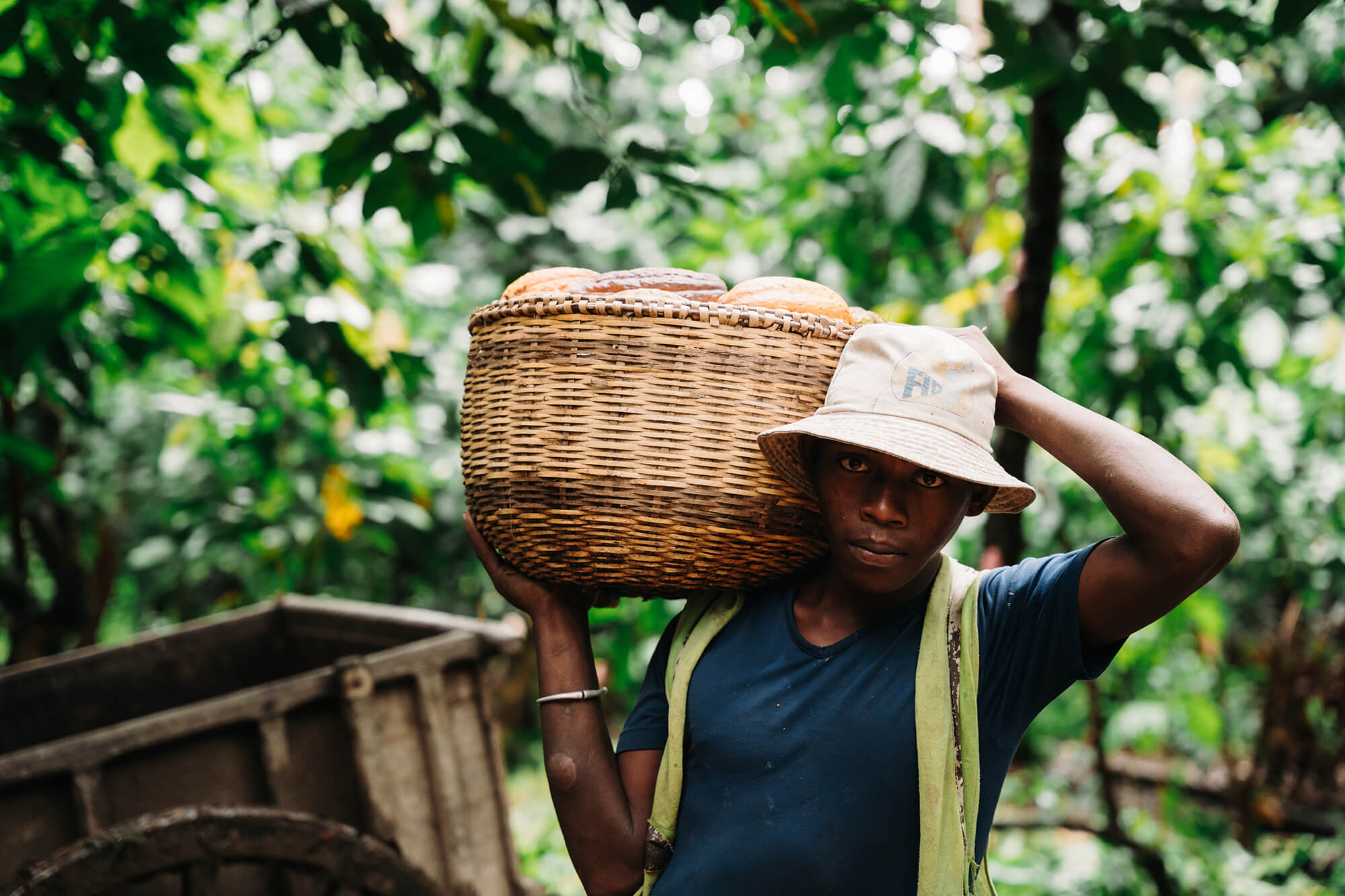
Notre démarche de transformer la matière première directement sur place en chocolat permet de réduire la chaîne d’intermédiaires et ainsi participer, à notre modeste niveau, au développement économique du pays. Madagascar, pays producteur de fèves de cacao, peut également bénéficier d’une filière de transformation qui redistribue de manière plus qu’équitable les revenus générés.
Nos Meilleures Sélections
On vous emmène sur l'île rouge !
"For an outstanding cheat day (or cheat week, as the case might be), this is chocolate gold."
Tim Ferriss
The most beautiful packaging & product I must say 😍
reiki_and_rocks
I love the dark side of this bar 🔥
ksana_stories
The very first Origin bar I ever purchased! The beginning of a wonderful discovery voyage in the world of fine cocoa. Madagascar is still my preferred region. I love the vibrant citrus notes. ❤️❤️❤️
kriskellens